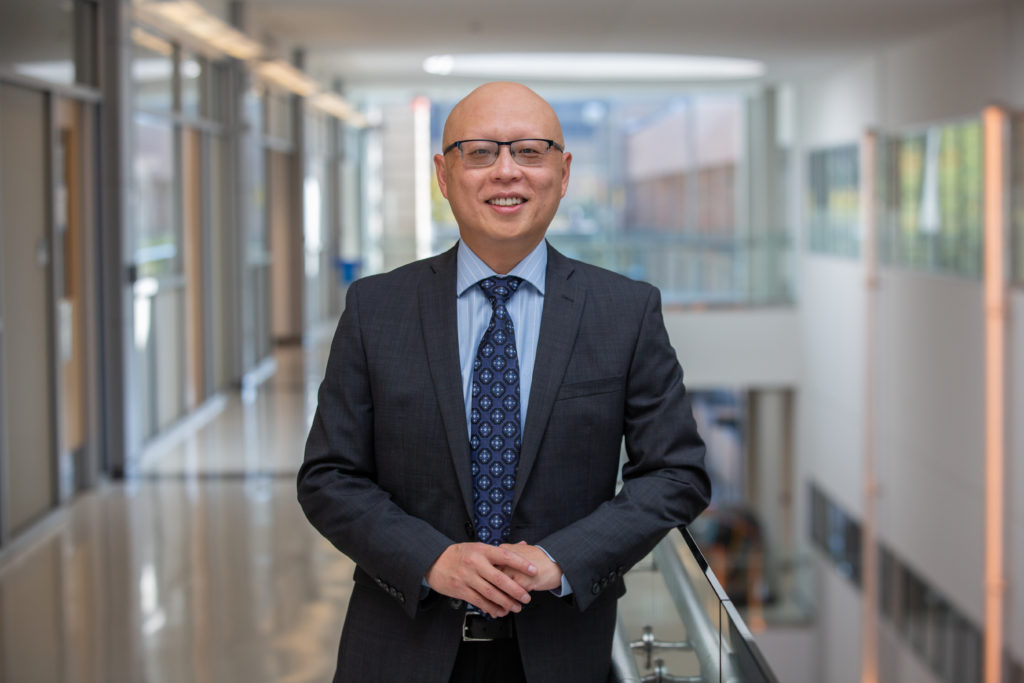
Neda Masoud Receives CUTC and Cambridge Systematics New Faculty Award

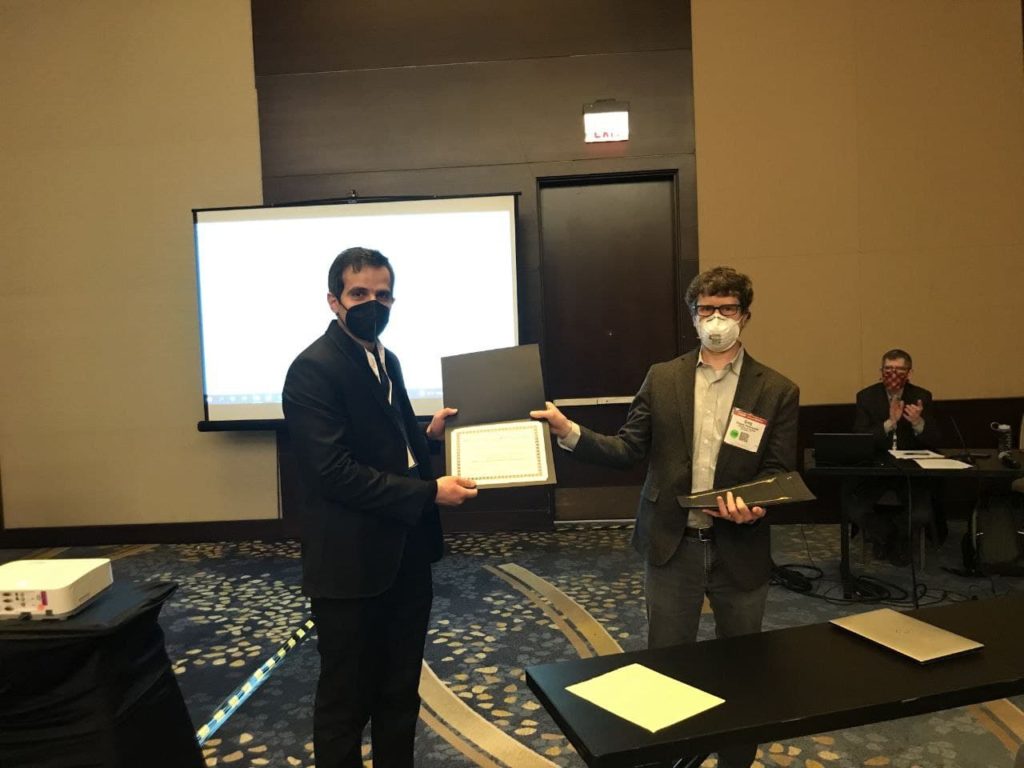
Neda Masoud, CCAT PI and Assistant Professor for the Civil and Environmental Engineering Department at the University of Michigan has received the CUTC –

Neda Masoud, CCAT PI and Assistant Professor for the Civil and Environmental Engineering Department at the University of Michigan has received the CUTC –

Every year, each USDOT-funded University Transportation Center (UTC) selects a Student of the Year which is awarded at the Council of University Transportation Centers (CUTC) banquet

Washtenaw Community College student Trevor Clayton was selected as a panelist for the National Intelligent Transportation Systems (ITS) webinar discussion held December 3. Clayton joined peers from four other community colleges throughout the nation

Henry Liu, Ph.D., Director of the Center for Connected and Automated Transportation

On October 18th, the Transportation Science & Logistics (TSL) society business meeting took place in a virtual setting. The group received a record number of best paper submissions from

Yafeng Yin, Ph.D. has been appointed to be the interim chair at the Department of Civil and Environmental Engineering at the
The road to autonomous vehicle (AV) deployment just got much shorter. Over the past several months, the CCAT team has been hard at work implementing a state-of-the-art toolbox at the American

The deployment of automated vehicles (AVs) may have a profound impact on mobility and safety. This includes increased mobility options for underserved communities and reduced traffic and travel costs. It isn’t all necessarily good news, though, according to a CCAT research project that was recently published

Washtenaw Community College (WCC) continues to be a leader in training the future transportation workforce as it adds the all-electric Ford Mustang Mach-E to its vehicle
CCAT Researcher, Dr. Kumares Sinha, was recently selected as the Editor’s Choice by the ASCE Journal of Transportation Systems.
With rapid ongoing developments in vehicle automation and connectivity, and their sibling technologies of electric propulsion and shared mobility, highway transportation practitioners and researchers continue to